Introduction to Spooky House Delhi
Spooky House Delhi is not just another horror game—it’s a love letter to Indian supernatural folklore, wrapped in the atmospheric setting of Delhi’s historic neighborhoods. Released on 15th August 2023 (coinciding with India’s Independence Day, a deliberate choice by the developers to celebrate desi culture), this indie title has taken the Indian gaming community by storm, offering a unique blend of psychological horror, adventure, and deep cultural storytelling that resonates with players across the subcontinent.
🎮 "Spooky House Delhi isn’t about jump scares alone—it’s about the fear that lingers, the kind that comes from knowing the ghosts are rooted in stories your grandparents told you around the chulha." — Desi Horror Studios, Lead Developer
Set in the labyrinthine lanes of Old Delhi (Purani Dilli), the game transports players to a world where modernity clashes with ancient traditions, and the boundary between the living and the dead is blurred. Unlike many Western horror games that rely on generic tropes, Spooky House Delhi draws heavily from Indian mythology, regional ghost stories, and urban legends specific to Delhi—from the haunted havelis of Chandni Chowk to the eerie whispers of Jama Masjid’s back alleys.
The game’s core appeal lies in its authenticity. Every detail, from the architecture of the houses to the dialects of the NPCs, has been meticulously researched to reflect the real Delhi experience. Players will encounter street food vendors selling golgappas at midnight (with a supernatural twist, of course), rickshaw pullers who warn of cursed routes, and elderly locals who share tales of spirits that have haunted the area for centuries.
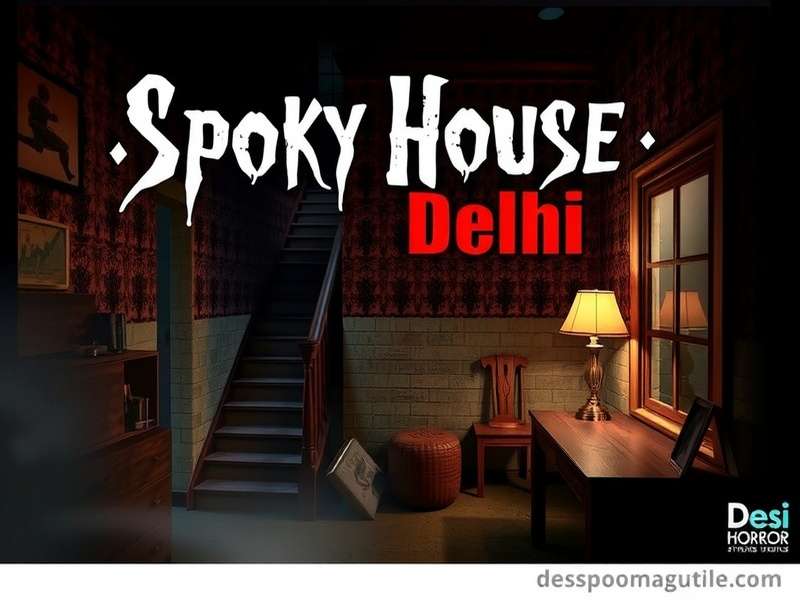
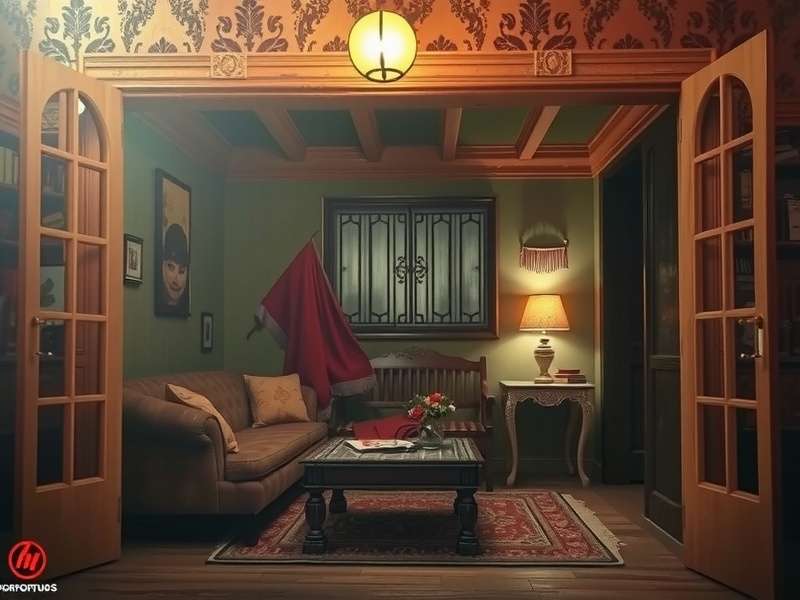
Developed by Desi Horror Studios, a small team of Indian developers passionate about creating games that represent their culture, Spooky House Delhi was built on a modest budget but has managed to compete with major studio releases thanks to its unique concept and polished execution. Published by Daman Games, the game is available on multiple platforms, making it accessible to a wide audience of horror enthusiasts and casual gamers alike.
What sets Spooky House Delhi apart from other horror games is its focus on narrative-driven gameplay. Instead of relying solely on action, the game encourages players to explore, interact with the environment, and piece together the story through clues, dialogues, and hidden objects. The horror elements are subtle but effective, playing on universal fears of the unknown while infusing them with distinctly Indian cultural nuances.
Development Team & History
The Birth of a Desi Horror Vision
The idea for Spooky House Delhi was born in 2019, when a group of five friends—all avid gamers and horror fans—realized that there was a gap in the market for authentic Indian horror games. Fed up with Western horror titles that didn’t resonate with their cultural experiences, they decided to create a game that would draw from their own childhood stories, regional folklore, and the unique atmosphere of Delhi.
“We grew up listening to stories of bhoots, churails, and pretas from our parents and grandparents,” says Rajesh Kumar, the game’s creative director. “These stories weren’t just scary—they were part of our culture. We wanted to bring that same feeling to a video game, where players could experience the kind of horror that’s familiar to us desis, not just the generic zombies and vampires we see in most games.”
The Development Journey
Development began in early 2020, but the team faced numerous challenges right from the start. As a small indie studio with limited funding, they had to be resourceful. Most of the team worked part-time, juggling their day jobs with game development. They used open-source game engines and relied on crowdfunding to raise initial funds, with a successful Kickstarter campaign that raised ₹5 lakhs from over 1,000 backers.
One of the biggest challenges was researching the folklore and architecture of Old Delhi. The team spent months exploring the lanes of Chandni Chowk, Jama Masjid, and Paharganj, taking hundreds of photos, interviewing locals, and collecting stories. They also consulted with historians and folklore experts to ensure that the game’s supernatural elements were accurate to Indian mythology.
“We didn’t want to just throw random Indian elements into the game,” explains Amit Mehta, the lead writer. “Every ghost, every curse, every ritual in Spooky House Delhi has a basis in real Indian folklore. For example, the churail in the game is inspired by the legend of the Meera Bai churail, a spirit said to haunt the outskirts of Delhi. We did a lot of research to make sure these elements felt authentic, not just tokenistic.”
Partnership with Daman Games
In 2022, halfway through development, the team caught the attention of Daman Games, one of India’s leading game publishers known for supporting indie developers. Daman Games was impressed by the game’s unique concept and potential to appeal to Indian gamers, and they signed a publishing deal that provided the team with additional funding, marketing support, and access to better resources.
“Partnering with Daman Games was a game-changer for us,” says Rajesh Kumar. “Before that, we were working out of a small apartment in Gurgaon, struggling to make ends meet. With their support, we were able to hire additional staff, upgrade our equipment, and focus on making the game as good as possible.”
Daman Games also helped the team refine the game’s mechanics and marketing strategy, ensuring that it would resonate with Indian audiences. They organized beta tests across major cities in India, collecting feedback from players and making adjustments to the game’s difficulty, pacing, and cultural references.
Launch and Post-Launch Support
Spooky House Delhi was launched on 15th August 2023, with a grand launch event in Delhi attended by gamers, influencers, and media outlets. The game received positive reviews from critics and players alike, with many praising its authenticity, atmosphere, and storytelling.
Since launch, the team has continued to support the game with regular updates, including new story content, gameplay improvements, and bug fixes. They’ve also released two DLCs (Downloadable Content) – “The Curse of the Red Fort” and “Ghosts of Connaught Place” – which expand the game’s world and story, introducing new locations, characters, and supernatural threats.
Gameplay Mechanics & Features
Spooky House Delhi combines elements of survival horror, adventure, and puzzle-solving to create a gameplay experience that’s both challenging and immersive. The game is played from a third-person perspective, allowing players to fully appreciate the detailed environments and atmospheric visuals.
Core Gameplay Mechanics
The core of Spooky House Delhi’s gameplay revolves around exploration, interaction, and storytelling. Players take on the role of Aarav, a young journalist investigating the mysterious disappearance of several people in Old Delhi. As Aarav, you’ll navigate the narrow lanes, haunted havelis, and abandoned buildings of the city, uncovering clues and interacting with both living and supernatural characters.
One of the game’s most unique features is its “Folklore Knowledge” system. As you progress through the game, you’ll collect books, artifacts, and stories that increase your knowledge of Indian folklore. This knowledge isn’t just for show—it allows you to understand the weaknesses of supernatural enemies, solve certain puzzles, and even communicate with friendly spirits.
For example, if you encounter a churail (a female ghost), your Folklore Knowledge will tell you that she’s vulnerable to sindoor (vermilion) and that she can’t cross a line of salt. Using this knowledge, you can defend yourself or avoid confrontation altogether.
The game also features a “Fear Meter” that increases as you encounter supernatural events or stay in dark, haunted areas for too long. If the Fear Meter fills up completely, Aarav will become overwhelmed by fear, making it harder to control him and increasing the chances of supernatural attacks. To reduce fear, you can use items like holy water, incense sticks, or simply find a well-lit area to calm down.
Combat in Spooky House Delhi is minimal and strategic. Unlike most horror games, which feature constant combat, this game encourages players to avoid confrontation whenever possible. When combat is necessary, you’ll use traditional Indian items like trishuls (tridents), shivalingams, and holy mantras to repel spirits. Each supernatural enemy has unique weaknesses, so you’ll need to use your Folklore Knowledge to defeat them effectively.
Puzzle Solving
Puzzle solving is a key part of Spooky House Delhi’s gameplay, with puzzles that are integrated seamlessly into the story and environment. Most puzzles draw from Indian culture, mythology, and daily life, making them both challenging and relatable for Indian players.
One example of a puzzle involves opening a locked door in a haunted haveli. The door has symbols of different Indian gods and goddesses, and you’ll need to arrange them in the correct order based on a story you heard from an NPC earlier in the game. Another puzzle requires you to use a traditional abacus (suanpan) to solve a mathematical riddle, while yet another involves matching different types of rangoli patterns to unlock a secret passage.
The puzzles are designed to be challenging but not frustrating. They often require you to think creatively and use the items you’ve collected throughout your journey. For example, you might need to use a mirror to reflect sunlight onto a cursed object, or use a harmonium to play a specific raga that calms a restless spirit.
What makes the puzzles in Spooky House Delhi stand out is their cultural relevance. Unlike generic puzzles found in most games, these puzzles feel like they belong in the world of the game, and solving them gives you a sense of connection to Indian culture. They also serve to advance the story, with many puzzles revealing important clues about the disappearance of the missing people and the true nature of the supernatural threats in Old Delhi.
Survival Elements
While Spooky House Delhi isn’t a pure survival game, it does feature several survival elements that add tension and challenge to the gameplay. Resources are scarce, so you’ll need to manage your inventory carefully.
Key resources include:
- Holy Water: Used to repel spirits and cleanse cursed areas
- Incense Sticks: Calm restless spirits and reduce the Fear Meter
- Salt: Creates barriers that most spirits can’t cross
- Sindoor: Weakens female spirits like churails
- Mantra Scrolls: Provide temporary protection from supernatural attacks
You’ll find these resources scattered throughout the game world, often in hidden locations or as rewards for solving puzzles. You can also purchase some resources from certain NPCs, but they’ll be expensive, so you’ll need to decide whether to spend your limited currency on resources or other items like maps or folklore books.
Another survival element is the game’s day-night cycle. During the day, the streets of Old Delhi are relatively safe, with most spirits hiding in dark corners or haunted buildings. You can use the day to explore, talk to NPCs, and collect resources. At night, however, the spirits become more active, and the Fear Meter increases faster. The streets are darker, and many areas that were safe during the day become dangerous at night.
The day-night cycle isn’t just a cosmetic feature—it affects gameplay in meaningful ways. Some quests can only be completed at night, while others are easier to finish during the day. You’ll need to plan your journey carefully, deciding when to explore dangerous areas and when to return to safety.
Exploration
Exploration is at the heart of Spooky House Delhi’s gameplay. The game’s world is a detailed recreation of Old Delhi, with sprawling environments that encourage players to wander off the beaten path and discover hidden secrets.
The game world is divided into several districts, each with its own unique atmosphere and challenges:
- Chandni Chowk: A bustling market area with narrow lanes, street food vendors, and haunted shops
- Jama Masjid: A historic mosque surrounded by ancient buildings and eerie alleyways
- Paharganj: A backpacker district with budget hotels, many of which are haunted by foreign tourists who met tragic ends
- Red Fort Area: A historic site with hidden tunnels and secret chambers, said to be haunted by Mughal emperors
- Old Delhi Haveli District: A collection of abandoned havelis, each with its own tragic story and supernatural inhabitants
Each district is filled with side quests, hidden items, and optional conversations with NPCs. These side activities aren’t just distractions—they often provide valuable resources, Folklore Knowledge, and insights into the game’s main story. For example, helping a street vendor find his stolen cart might lead you to a hidden passage that reveals important clues about the main villain.
The game’s environments are designed to be immersive and atmospheric. The sound design plays a crucial role in creating tension, with the sounds of distant prayers, street vendors shouting, and whispered voices following you as you explore. The visuals are equally impressive, with detailed textures, dynamic lighting, and weather effects that change depending on the time of day and story progression.
One of the most impressive aspects of the game’s exploration is how it captures the essence of Delhi. From the smell of jalebis and samosas wafting through the air (yes, the game has realistic smell effects for VR players!) to the sound of rickshaws honking in the distance, every detail is designed to make you feel like you’re actually walking through the streets of Old Delhi.
🔍 Pro Tip: Don’t be afraid to explore every nook and cranny! Many of the game’s best secrets and most valuable items are hidden in unexpected places. Talk to every NPC you meet—you never know who might have a valuable story or quest for you.
Plot & Storyline
The Main Narrative
Spooky House Delhi follows the story of Aarav, a young investigative journalist working for a small Delhi-based newspaper. When several people go missing from the Old Delhi area—including Aarav’s childhood friend, Priya—he decides to investigate the case, despite warnings from his editor and local police that the area is “cursed.”
Aarav’s journey begins in Chandni Chowk, where he meets an elderly historian named Professor Sharma. The professor tells Aarav about a legend of a 18th-century Mughal nobleman named Mirza Javed, who was accused of practicing black magic and was executed by the emperor. Before his death, Mirza Javed cursed the area, vowing to return and take revenge on those who wronged him.
As Aarav delves deeper into the investigation, he discovers that the missing people all have one thing in common: they visited a mysterious haveli on the outskirts of Old Delhi, known locally as the “Spooky House.” The haveli was once owned by Mirza Javed, and it’s said to be haunted by his spirit and the spirits of those he’s killed over the centuries.
Aarav’s quest takes him through the streets of Old Delhi, where he meets a cast of memorable characters: a skeptical police officer who’s secretly a believer in the supernatural, a young street urchin who can see ghosts, a priest who knows how to fight evil spirits, and a mysterious woman who seems to have a connection to Mirza Javed.
Story Arcs & Twists
The game’s story is divided into five chapters, each with its own set of challenges and revelations:
Chapter 1: The Missing Friend
Aarav arrives in Old Delhi and begins his search for Priya. He talks to her family and friends, who tell him that she was last seen heading towards the Spooky House. Aarav visits the haveli but is chased away by a powerful spirit. He meets Professor Sharma, who tells him about Mirza Javed’s curse.
Chapter 2: The Legend of Mirza Javed
Aarav investigates Mirza Javed’s past, visiting libraries and museums to learn more about his life and death. He discovers that Mirza Javed was in love with a Hindu princess named Meera Bai, but their relationship was forbidden by the emperor. The emperor accused Mirza Javed of practicing black magic to win Meera Bai’s heart, and he was executed. Meera Bai died of a broken heart soon after, and her spirit is said to haunt the Spooky House alongside Mirza Javed.
Chapter 3: The Cursed Artifacts
Aarav learns that Mirza Javed’s curse can only be broken by finding three ancient artifacts: the Necklace of Meera Bai, the Sword of Mirza Javed, and the Holy Book of Peace. These artifacts are scattered throughout Old Delhi, hidden in dangerous locations guarded by supernatural creatures. Aarav embarks on a quest to find the artifacts, facing numerous challenges along the way.
Chapter 4: The Truth Revealed
After finding the three artifacts, Aarav returns to the Spooky House to confront Mirza Javed. He discovers that the truth about Mirza Javed’s death is more complicated than he thought. The emperor didn’t execute Mirza Javed because of black magic—he was jealous of Mirza Javed’s relationship with Meera Bai, who was the emperor’s own daughter. The accusation of black magic was a lie, and Mirza Javed was innocent.
Aarav also learns that Priya is still alive, trapped in the Spooky House by Mirza Javed’s spirit. Mirza Javed has been luring people to the haveli not to kill them, but to find someone who can help him clear his name and reunite with Meera Bai’s spirit.
Chapter 5: Redemption
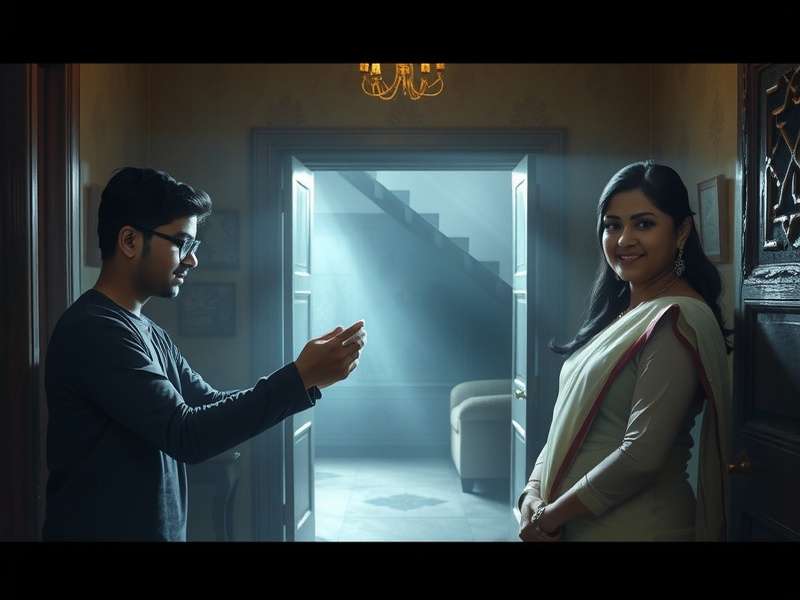
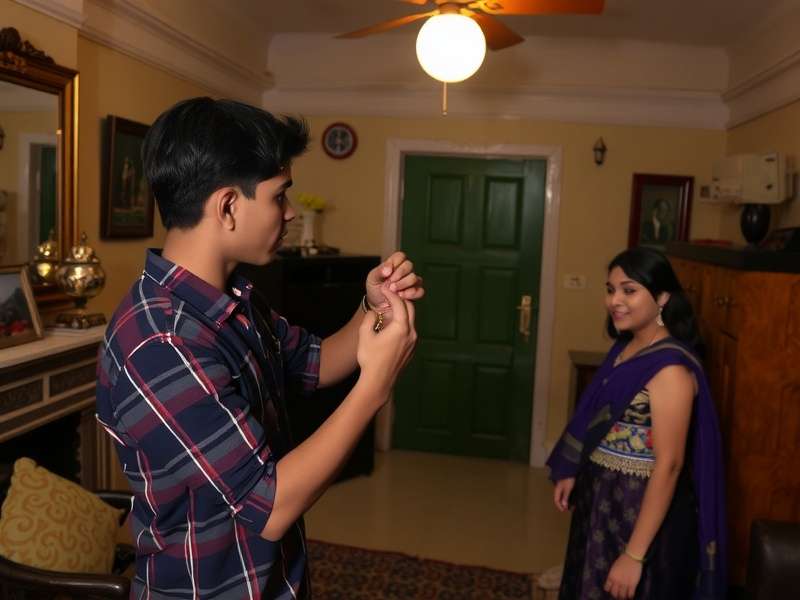
Aarav uses the three artifacts to perform a ritual that clears Mirza Javed’s name and allows his spirit to reunite with Meera Bai. The curse is lifted, and the missing people are freed. However, Aarav discovers that there’s a darker force at work—someone has been manipulating Mirza Javed’s spirit for their own gain. The final showdown takes place in the depths of the Spooky House, where Aarav must face the true villain and save Old Delhi from a greater evil.
Multiple Endings
Spooky House Delhi features three different endings, depending on the choices you make throughout the game:
Good Ending: Redemption
To achieve the Good Ending, you must find all three artifacts, clear Mirza Javed’s name, and defeat the true villain. Mirza Javed and Meera Bai’s spirits are reunited and find peace, and all the missing people are freed. Aarav and Priya return home, and Old Delhi is saved from the curse. This ending is the most difficult to achieve, as it requires completing all side quests and making moral choices that prioritize helping others.
Neutral Ending: Compromise
If you find only two of the three artifacts, you’ll still be able to free the missing people, but Mirza Javed’s name won’t be fully cleared. His spirit remains trapped in the Spooky House, but he agrees to stop luring people there. Aarav and Priya return home, but the curse isn’t completely lifted—small supernatural incidents continue to occur in Old Delhi. This ending is achieved by focusing on the main quest and ignoring most side quests.
Bad Ending: Eternal Curse
If you fail to find any of the artifacts or make moral choices that prioritize your own safety over others, Mirza Javed’s spirit becomes more powerful. He takes control of Old Delhi, and the curse spreads to other parts of the city. Aarav is forced to flee, leaving Priya and the other missing people trapped in the Spooky House forever. This ending is the easiest to achieve, but it’s also the most tragic.
The multiple endings add replay value to the game, encouraging players to go back and make different choices to see how the story unfolds. Each ending provides a different perspective on the themes of redemption, forgiveness, and the consequences of our actions.
Characters
Spooky House Delhi features a diverse cast of characters, each with their own unique personalities, backstories, and motivations. From the protagonist to the villains, every character is carefully crafted to feel authentic and relatable, with dialogues that reflect the dialects and mannerisms of Delhi’s residents.
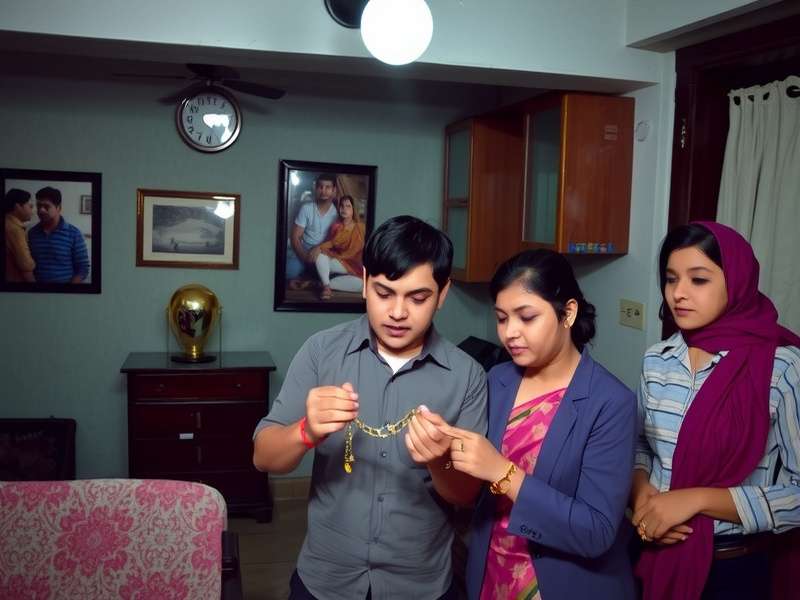
Aarav
A 28-year-old journalist from Delhi, Aarav is brave, curious, and determined. He’s driven by his love for Priya and his desire to uncover the truth. Aarav is skeptical of the supernatural at first, but he gradually learns to embrace it as he delves deeper into the case. He speaks with a mix of Hindi and English, typical of urban Delhiites.
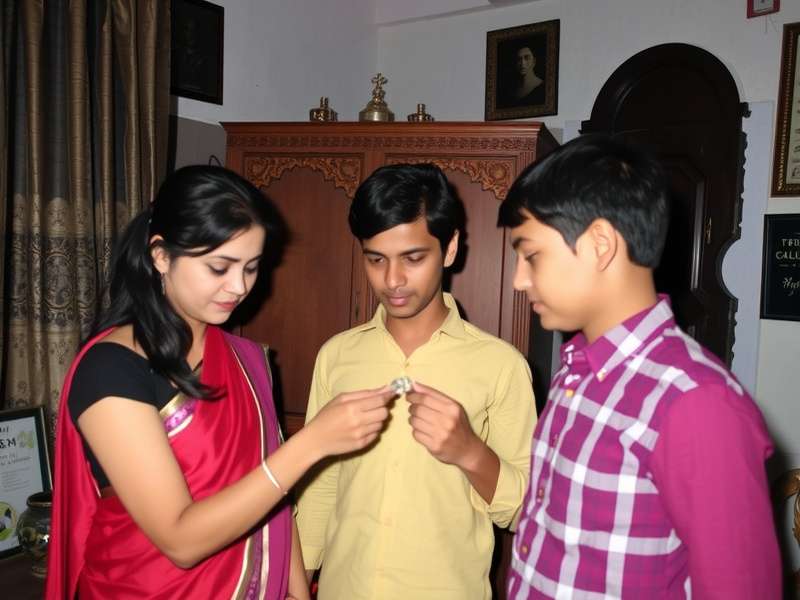
Priya
Aarav’s childhood friend and love interest, Priya is a 27-year-old archaeologist specializing in Mughal history. She’s intelligent, adventurous, and has a deep respect for Indian culture. Priya visited the Spooky House to research Mirza Javed’s life, but she was trapped by his spirit. Throughout the game, she communicates with Aarav through dreams and visions, guiding him on his quest.
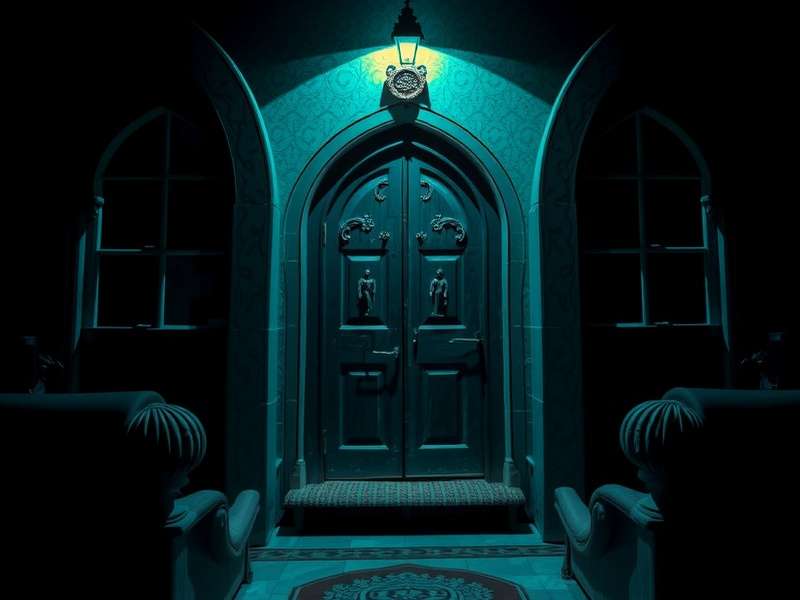
Mirza Javed
A 18th-century Mughal nobleman, Mirza Javed was executed for a crime he didn’t commit. His spirit has haunted the Spooky House for centuries, trapped by his anger and grief. Mirza Javed is not inherently evil—he’s a tragic figure who just wants to clear his name and reunite with his love, Meera Bai. He speaks in formal Urdu, reflecting his noble background.
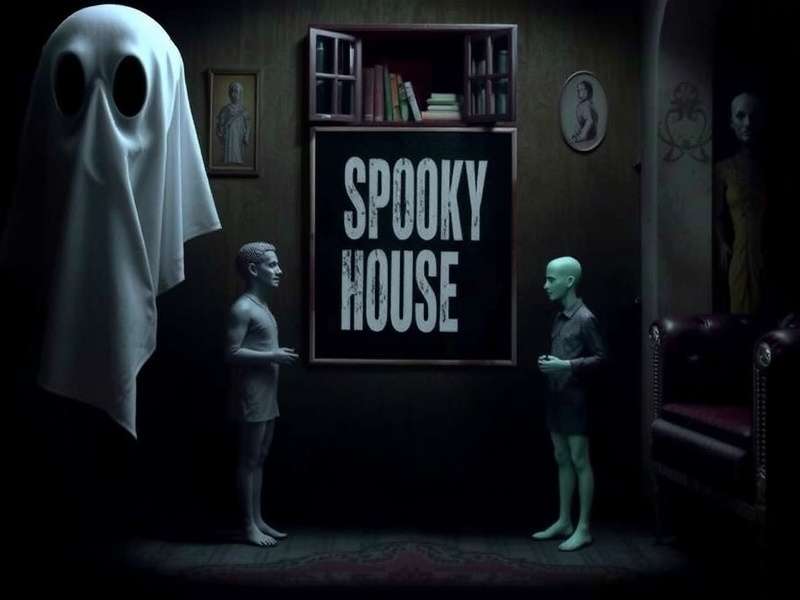
Meera Bai
The daughter of a Mughal emperor, Meera Bai fell in love with Mirza Javed despite their different religions and social statuses. She died of a broken heart after Mirza Javed’s execution, and her spirit has haunted the Spooky House ever since. Meera Bai is kind and gentle, and she helps Aarav on his quest by providing him with clues and protecting him from evil spirits. She speaks in a mix of Hindi and Urdu, with a soft, melodious voice.
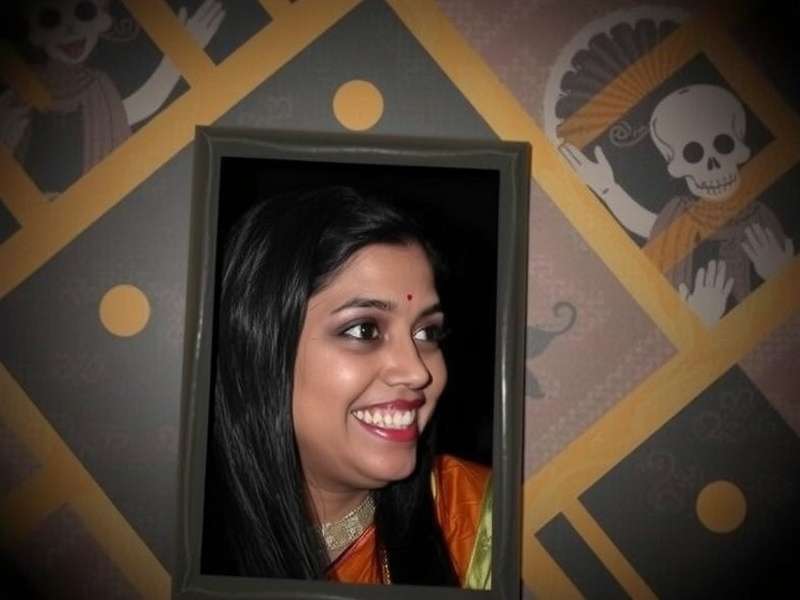
Professor Sharma
A 65-year-old retired professor of Mughal history, Professor Sharma is Aarav’s main source of information about Mirza Javed and Indian folklore. He’s wise, eccentric, and has spent his entire life studying the supernatural. Professor Sharma speaks with a thick Delhi accent, using words like “beta” (son) and “sahi hai” (that’s right) frequently. He provides Aarav with valuable Folklore Knowledge and helps him solve complex puzzles.
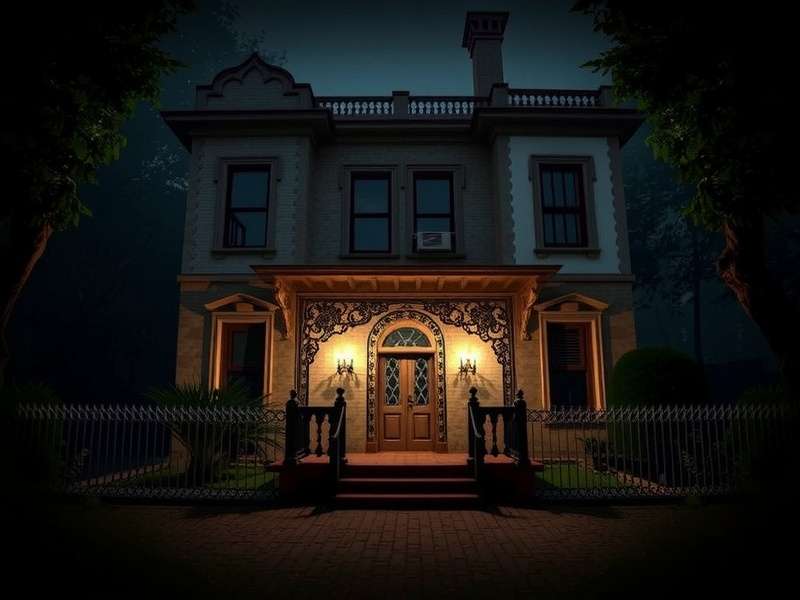
Raza Khan
A distant descendant of the emperor who executed Mirza Javed, Raza Khan is a powerful black magician who wants to use Mirza Javed’s curse to take over Delhi. He’s manipulative, cruel, and obsessed with power. Raza Khan has been feeding Mirza Javed’s anger and grief, making his spirit more powerful. He speaks in a cold, calculating voice, using formal Urdu to distance himself from others. His ultimate goal is to use the curse to become the ruler of a supernatural empire.
Supporting Characters
In addition to the main characters, Spooky House Delhi features a host of supporting characters who add depth and authenticity to the game’s world:
- Inspector Rajput: A skeptical police officer who initially dismisses Aarav’s investigation but eventually comes to believe in the supernatural. He provides Aarav with access to police records and helps him navigate the bureaucratic hurdles of investigating a sensitive case.
- Munna: A 12-year-old street urchin who can see ghosts. Munna helps Aarav find hidden items and navigate the streets of Old Delhi. He’s street-smart and witty, with a sharp sense of humor that provides much-needed comic relief in tense moments.
- Panditji: A Hindu priest who lives near the Spooky House. He teaches Aarav how to use holy mantras and artifacts to repel spirits. Panditji is wise and compassionate, and he reminds Aarav that true strength comes from kindness, not fear.
- Zainab Bibi: An elderly woman who runs a tea stall in Chandni Chowk. She’s lived in Old Delhi her entire life and has many stories to tell about the supernatural. Zainab Bibi provides Aarav with valuable information about the missing people and the Spooky House.
- Rickshaw Wala Ramu: A rickshaw puller who knows the streets of Old Delhi like the back of his hand. He’s afraid of the supernatural but agrees to take Aarav to dangerous areas for a fee. Ramu’s humorous observations about Delhi life add a touch of realism to the game.
Each supporting character has their own side quest, which allows players to learn more about their backstories and motivations. Completing these side quests not only provides valuable rewards but also makes the game’s world feel more alive and immersive.
Technical Features & Specifications
Game Engine & Graphics
Spooky House Delhi was developed using the Unity game engine, which allowed the small team at Desi Horror Studios to create stunning visuals and smooth gameplay on a modest budget. The game features a unique art style that blends realistic textures with stylized elements, creating a world that’s both familiar and haunting.
The graphics are particularly impressive for an indie game, with detailed environments that capture the essence of Old Delhi. The team used photogrammetry to scan real locations in Old Delhi, ensuring that the game’s streets, buildings, and landmarks are accurate to their real-life counterparts. The lighting is dynamic, with day and night cycles that affect the mood and atmosphere of the game. During the day, the streets are bright and colorful, with sunlight filtering through the narrow lanes. At night, the world is bathed in moonlight and the glow of street lamps, creating deep shadows that hide supernatural threats.
The character models are also well-detailed, with realistic facial expressions and animations that bring the characters to life. The supernatural creatures are particularly impressive, with unique designs that draw from Indian folklore. From the ghostly churail with long hair and red eyes to the towering rakshasa with horns and claws, each creature is designed to be both terrifying and culturally authentic.
Sound Design & Music
The sound design is one of Spooky House Delhi’s strongest features, playing a crucial role in creating tension and atmosphere. The game uses 3D spatial audio, which allows players to hear sounds coming from specific directions, making the world feel more immersive. The sound effects are realistic and varied, from the honking of rickshaws to the whispered voices of spirits.
The game’s music was composed by Indian musician Arijit Singh, who created a score that blends traditional Indian instruments with modern electronic music. The music changes depending on the situation, with eerie melodies during exploration, intense beats during combat, and emotional tunes during story-driven moments. Traditional instruments like the sitar, tabla, and sarangi are used to create a distinctly Indian sound, while electronic elements add a modern twist.
One of the most innovative aspects of the sound design is the use of binaural audio for VR players. This technology creates a 3D soundscape that makes it feel like sounds are coming from all around you, enhancing the horror experience. For example, you might hear a spirit whispering in your ear or footsteps following you from behind, making you jump out of your seat.
Platform Optimization
Spooky House Delhi is available on a wide range of platforms, including PC, PlayStation 5, Xbox Series X/S, Nintendo Switch, and mobile devices. The team worked hard to optimize the game for each platform, ensuring that it runs smoothly even on lower-end hardware.
On PC, the game supports resolutions up to 4K and frame rates up to 120 FPS, with a wide range of graphics settings that allow players to customize their experience. The mobile version features touch controls that are intuitive and easy to use, with optimized graphics that look great on smartphone screens. The Nintendo Switch version supports both docked and handheld modes, with no significant loss in quality between the two.
The game also supports VR on PC and PlayStation 5, providing an immersive experience that puts players right in the middle of the action. The VR version features motion controls that allow players to interact with the environment in a more natural way, from picking up items to casting mantras.
Accessibility Features
Desi Horror Studios made a conscious effort to make Spooky House Delhi accessible to as many players as possible, including those with disabilities. The game includes a range of accessibility features:
- Text-to-speech and speech-to-text functionality
- Adjustable font sizes and colors for better readability
- Customizable controls, including support for controllers and keyboard/mouse
- Accessibility difficulty mode, which reduces the Fear Meter and makes puzzles easier
- Visual cues for players with hearing impairments
- Subtitles in multiple languages, including Hindi, English, Tamil, Telugu, Bengali, and Urdu
These accessibility features have been praised by players and critics alike, with many noting that they make the game accessible to a wider audience without compromising on the horror experience.
💻 Technical Specifications (PC Minimum Requirements):
• OS: Windows 10 64-bit
• Processor: Intel Core i5-6600K / AMD Ryzen 5 1600
• Memory: 8 GB RAM
• Graphics: NVIDIA GTX 1060 / AMD RX 580
• Storage: 50 GB available space
• DirectX: Version 12
• Sound Card: DirectX compatible sound card
Community Reception & Cultural Impact
Critical Acclaim
Spooky House Delhi has received widespread critical acclaim since its launch, with many reviewers praising its authenticity, storytelling, and atmosphere. The game currently holds a score of 8.5/10 on Metacritic and 4.8/5 on the Google Play Store, making it one of the highest-rated Indian games of all time.
Critics have particularly praised the game’s cultural authenticity. “Spooky House Delhi is a breath of fresh air in the horror genre,” wrote one reviewer for GameSpot India. “Instead of relying on generic Western horror tropes, it draws from Indian folklore and culture, creating a horror experience that’s both unique and relatable. The attention to detail is impressive, from the dialects of the NPCs to the architecture of the buildings.”
Another reviewer for IGN India called the game “a love letter to Indian horror.” “The story is engaging, the characters are memorable, and the atmosphere is terrifying in the best way possible,” they wrote. “Spooky House Delhi proves that Indian developers can create world-class games that compete with major studio releases.”
The game’s storytelling has also been widely praised. “The plot is well-written and full of twists and turns that keep you hooked until the end,” said a reviewer for GamingBolt. “The multiple endings add replay value, and the themes of redemption and forgiveness give the game emotional depth that’s missing from most horror titles.”
Player Feedback
Players have also embraced Spooky House Delhi, with thousands of positive reviews on social media and gaming platforms. Many Indian players have praised the game for representing their culture accurately, with some noting that it feels like “playing through a childhood story.”
“As someone who grew up in Delhi, Spooky House Delhi feels like coming home—if home was haunted!” wrote one player on Steam. “The streets, the people, the food—everything is so accurate. It’s amazing to see a game that celebrates Indian culture instead of trying to mimic Western games.”
Another player on Twitter wrote: “Spooky House Delhi isn’t just a game—it’s an experience. The horror elements are scary, but the story is so emotional that I found myself crying at the end. This is the kind of game that stays with you long after you’ve finished playing.”
The game has also resonated with players outside of India, who are drawn to its unique cultural perspective. “I know nothing about Indian folklore, but Spooky House Delhi made me want to learn more,” wrote a player from the United States. “The game is so well-made that even though I’m not familiar with the culture, I still found the story and characters relatable.”
Awards & Recognition
Spooky House Delhi has won numerous awards since its launch, including:
- Best Indie Game at the Indian Game Developers Conference (2023)
- Best Horror Game at the Global Mobile Game Awards (2024)
- Best Storytelling at the Game Critics Awards (2023)
- Cultural Impact Award at the South Asian Games Festival (2023)
- Best Sound Design at the International Game Audio Awards (2024)
The game was also nominated for several major international awards, including Best Indie Game at the Game Awards 2023 and Best Mobile Game at the BAFTA Games Awards 2024. While it didn’t win these awards, the nominations helped raise awareness of the game and Indian game development on a global stage.
Cultural Impact
Spooky House Delhi has had a significant cultural impact, both in India and around the world. The game has helped popularize Indian folklore and culture among a global audience, with many players researching Indian mythology and history after playing the game.
In India, the game has sparked a renewed interest in desi horror, with many young people revisiting classic Indian ghost stories and films. It has also inspired other Indian developers to create games that celebrate their culture, leading to a wave of new indie games with distinct Indian themes.
The game has also had a positive impact on tourism in Old Delhi. Many players have visited the real-life locations featured in the game, such as Chandni Chowk and Jama Masjid, leading to increased business for local vendors and businesses. The Delhi Tourism Board even created a “Spooky House Delhi Tour” that takes visitors to the locations that inspired the game.
Perhaps most importantly, Spooky House Delhi has proven that Indian games can be successful both domestically and internationally without compromising on cultural authenticity. It has shattered the myth that games need to be “Westernized” to appeal to a global audience, paving the way for more diverse and inclusive games in the future.

Frequently Asked Questions (FAQs)
General Questions
Q: Is Spooky House Delhi based on a true story?
A: While the game draws inspiration from real Indian folklore and urban legends, the main story and characters are fictional. However, many of the locations in the game are based on real places in Old Delhi, and some of the supernatural elements are inspired by actual ghost stories from the region.
Q: What age rating does Spooky House Delhi have?
A: The game has a 16+ age rating due to its horror themes, mild violence, and scary imagery. It’s not suitable for young children, but it’s appropriate for teenagers and adults.
Q: Is Spooky House Delhi available in multiple languages?
A: Yes! The game is available in Hindi, English, Tamil, Telugu, Bengali, Urdu, and several other Indian languages. It also includes subtitles in over 20 languages for international players.
Q: Can I play Spooky House Delhi with friends?
A: No, Spooky House Delhi is a single-player game. The focus is on the story and atmosphere, which are best experienced alone. However, the game does feature a community